

 Facebook
 X
X
 Pinterest
 Copy Link
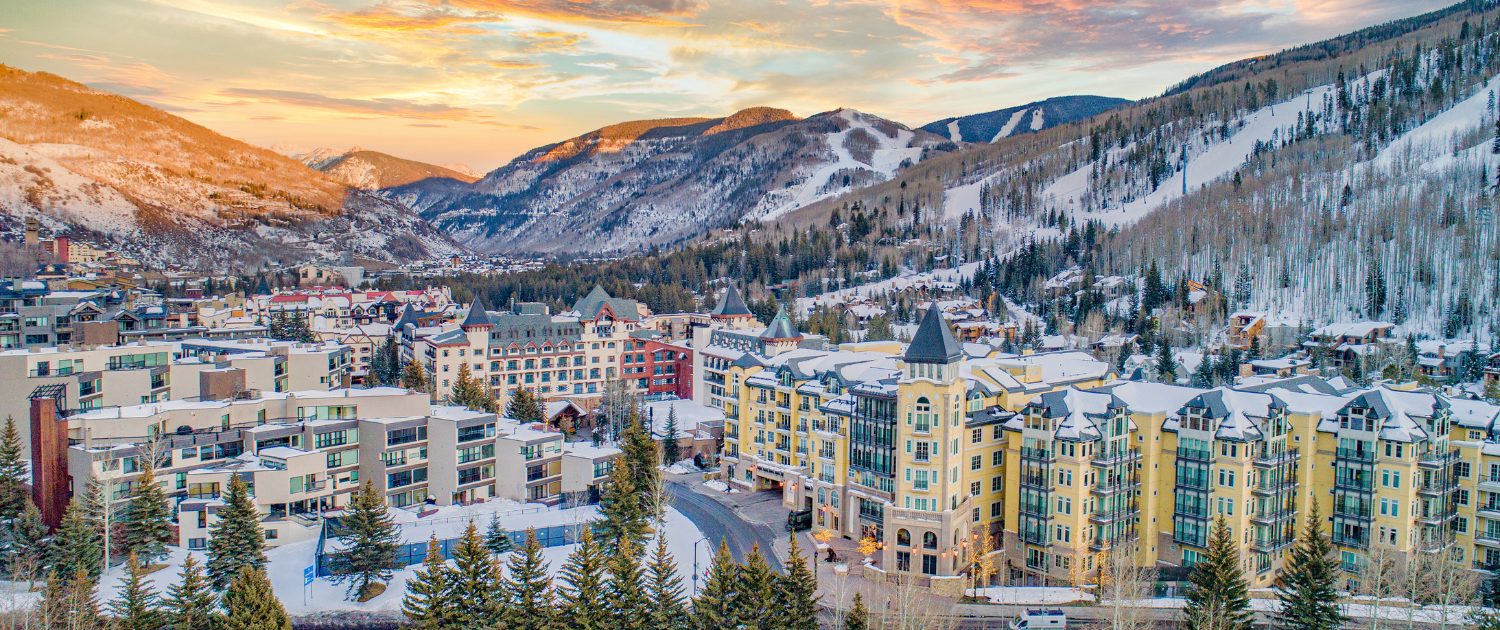
Buying a home in Vail, Colorado is one of the most exciting — and unique — real estate experiences in the country. Whether you’re dreaming of a ski-in/ski-out condo steps from the gondola, a quiet family home in East Vail surrounded by forest, or an investment property with strong short-term rental income, Vail offers something for nearly every type of buyer. But it’s also a luxury mountain market with its own rules, rhythms, and considerations. This guide will walk you through everything you need to know.
Who Buys Homes in Vail?
Vail attracts buyers from all over the world, but most fall into a few key categories: second-home buyers seeking a mountain retreat, real estate investors looking to capitalize on vacation rental income, full-time residents who work in the Vail Valley, and retirees drawn to the resort lifestyle year-round. Understanding which category you’re in will shape everything from your neighborhood choice to your financing strategy.
What Are Home Prices Like in Vail, CO?
Vail is one of the most expensive real estate markets in the United States. As of early 2026, the median home price in Vail sits around $1.6 to $2.1 million depending on the source and property type. Single-family homes have reached a median sales price of approximately $1.88 million in Eagle County, while luxury properties in prime locations routinely sell for $5 million or more.
Condos and townhomes — the most common property type in Vail — have a median price around $1 million to $1.5 million. Price per square foot in core areas like Vail Village ranges from $1,600 to $1,800, while more residential neighborhoods like West Vail run closer to $950 to $1,100 per square foot.
It’s also worth knowing that Vail’s market has historically appreciated strongly over time, with cumulative ten-year appreciation rates exceeding 100% — making it not just a lifestyle purchase, but often a sound long-term investment.
Vail Neighborhoods: Which Area Is Right for You?
Vail is a relatively compact town, but each neighborhood has a distinct personality and price range. Here’s a breakdown of the main areas:
Vail Village
The heart of the resort and the most prestigious address in town. Vail Village puts you steps from Gondola One, world-class dining, art galleries, and boutique shopping. It commands the highest prices — $1,600 to $1,800 per square foot — and offers the strongest short-term rental demand. If ski-in/ski-out access and premium resort amenities are your priority, this is your neighborhood.
Lionshead
Following a $250 million renovation, Lionshead now rivals Vail Village in price and overall experience. Average price per square foot runs $1,400 to $1,600. It’s a popular choice for investors focused on vacation rental income, thanks to its renovated plazas, spa access, and easy lift proximity.
East Vail
A peaceful residential neighborhood surrounded by national forest and waterfalls, East Vail is about 10 minutes from Vail Village via the free Town of Vail shuttle. It’s ideal for families and international buyers who want more space, privacy, and natural setting — with strong rental potential and a quieter lifestyle than the village core.
West Vail
West Vail is the most accessible and practical neighborhood for everyday living. With grocery stores, schools, and direct access to I-70, it’s popular among full-time residents and buyers seeking steady appreciation without the premium price tag of the resort core. Price per square foot here typically runs $950 to $1,100.
Matterhorn & Glen Lyon
These quieter residential enclaves offer a more suburban mountain feel, with a mix of single-family homes and townhomes. They’re attractive for buyers looking for value and a true neighborhood atmosphere while still being minutes from world-class skiing.
How Does the Buying Process Work in Vail?
The general home-buying process in Vail follows Colorado real estate law and is fairly similar to buying anywhere in the state — but with a few mountain-market nuances worth knowing:
• Get pre-approved first. In a competitive luxury market, sellers expect to see financing pre-approval or proof of funds before entertaining offers. This is non-negotiable in Vail.
• Work with a local agent. Vail’s market moves differently than a typical residential market. A local expert — like the team at Century 21 Top Dog Properties — knows which buildings have the strongest HOAs, which properties carry rental restrictions, and which neighborhoods best match your goals.
• Inspection and due diligence. Colorado’s inspection period gives you time to review the property’s condition, review HOA documents, and verify short-term rental eligibility. Don’t skip this step.
• Closing costs. In Colorado, buyers typically pay 1–3% of the purchase price in closing costs, including title insurance, lender fees, and recording fees. Property taxes in Eagle County are relatively low by national standards.
• Timing. Properties in Vail don’t always follow seasonal patterns you might expect. The market can be active year-round, with notable activity in fall (pre-ski season) and spring.
What About HOA Fees?
Homeowners Association (HOA) fees are a fact of life for most Vail buyers, particularly condo and townhome purchasers. These fees fund building maintenance, common area upkeep, landscaping, snow removal, and often amenities like pools, hot tubs, and fitness centers.
In Vail, HOA fees can range from a few hundred dollars per month for a modest condo to several thousand dollars per month for a luxury ski-in/ski-out building. Before making an offer, your agent should help you review the HOA’s financials, reserve fund health, pending special assessments, and any rental restrictions. A well-run HOA protects your investment; a poorly-funded one can be a costly surprise.
Some buildings prohibit short-term rentals entirely — an important detail if rental income is part of your plan.
Can I Rent Out My Vail Home on Airbnb or VRBO?
Short-term rentals are a major draw for Vail buyers, but the regulations are real and you need to understand them before you buy. Here’s what you need to know:
• All short-term rentals (properties rented for fewer than 30 consecutive days) must be licensed by the Town of Vail. Licenses must be renewed annually and are not transferable to new owners.
• You must designate a local contact person who lives within 60 minutes of the property and is available 24/7 to respond to any complaints — within 60 minutes during the day and within 30 minutes between 11 p.m. and 7 a.m.
• Your property must pass a fire and building safety inspection before receiving an STR license.
• Taxes on short-term rentals in Vail currently total 10.8%, covering city, state, county, and local marketing district lodging taxes.
• Not all neighborhoods allow STRs. Vail Village and Lionshead are the most permissive areas; residential neighborhoods outside the commercial core may face additional restrictions. And always check the HOA — some buildings prohibit STRs regardless of town zoning.
The bottom line: short-term rental income in Vail can be significant, especially in prime locations, but it requires proper licensing and ongoing compliance. A local agent and property manager can help you navigate the rules smoothly.
What Are the Ongoing Costs of Owning a Vail Property?
Beyond the purchase price, Vail homeownership comes with real carrying costs. Buyers should budget for:
• HOA fees: $300–$3,000+ per month depending on the building
• Property taxes: Eagle County rates are moderate, typically 0.3–0.5% of assessed value annually
• Property management: If you’re renting remotely, expect to pay 20–35% of rental revenue to a management company
• Utilities and maintenance: Mountain homes, especially older construction, can have higher heating costs and ongoing maintenance needs
• Insurance: Short-term rental properties require commercial liability insurance — many Colorado cities including Vail require at least $1 million in coverage that goes beyond what platform-provided coverage offers
Is Vail a Good Real Estate Investment?
Historically, yes — with caveats. Vail’s appeal is driven by a combination of limited land supply (it’s largely hemmed in by national forest and the Gore Range), consistent global demand, and a world-class ski resort with a year-round economy. These fundamentals have supported long-term appreciation.
That said, Vail is a luxury market and subject to the ups and downs of discretionary spending. It’s not a market to buy speculatively with a short time horizon. Buyers who hold for 7–10+ years have historically done well. Those looking for a quick flip face more risk.
Ready to Start Your Vail Home Search?
Buying in Vail is a significant decision — but for the right buyer, it’s also one of the most rewarding. Whether you’re looking for a mountain escape, a rental income property, or a permanent residence in one of Colorado’s premier resort towns, working with a knowledgeable local agent makes all the difference.
Sviatlana Masenzhuk at Century 21 Top Dog Properties specializes in Vail and the surrounding Eagle County market. We know the neighborhoods, the buildings, the HOAs, and the opportunities — and we’re here to help you find the right fit.
Contact Sviatlana Masenzhuk at Century 21 Top Dog Properties today to start your Vail home search.
Sviatlana Masenzhuk Century 21 Top Dog Properties | Vail, CO | Eagle County Real Estate Specialists
What’s It Like to Buy a Home in Vail, CO?